
Insulated glass unit
Glazing for integration into your own frame. Confirm its layers, edge seal, dimensions and any electrical connections.
Discuss this scope →Refrigeration engineering teams · Equipment OEMs · Service distributors
Define the conditions before choosing the heating option. Review glazing and frame treatments against the cabinet temperature, ambient humidity, electrical package and service needs.
Start with the details you have. Dimensions, fittings and electrical options are confirmed for your project.
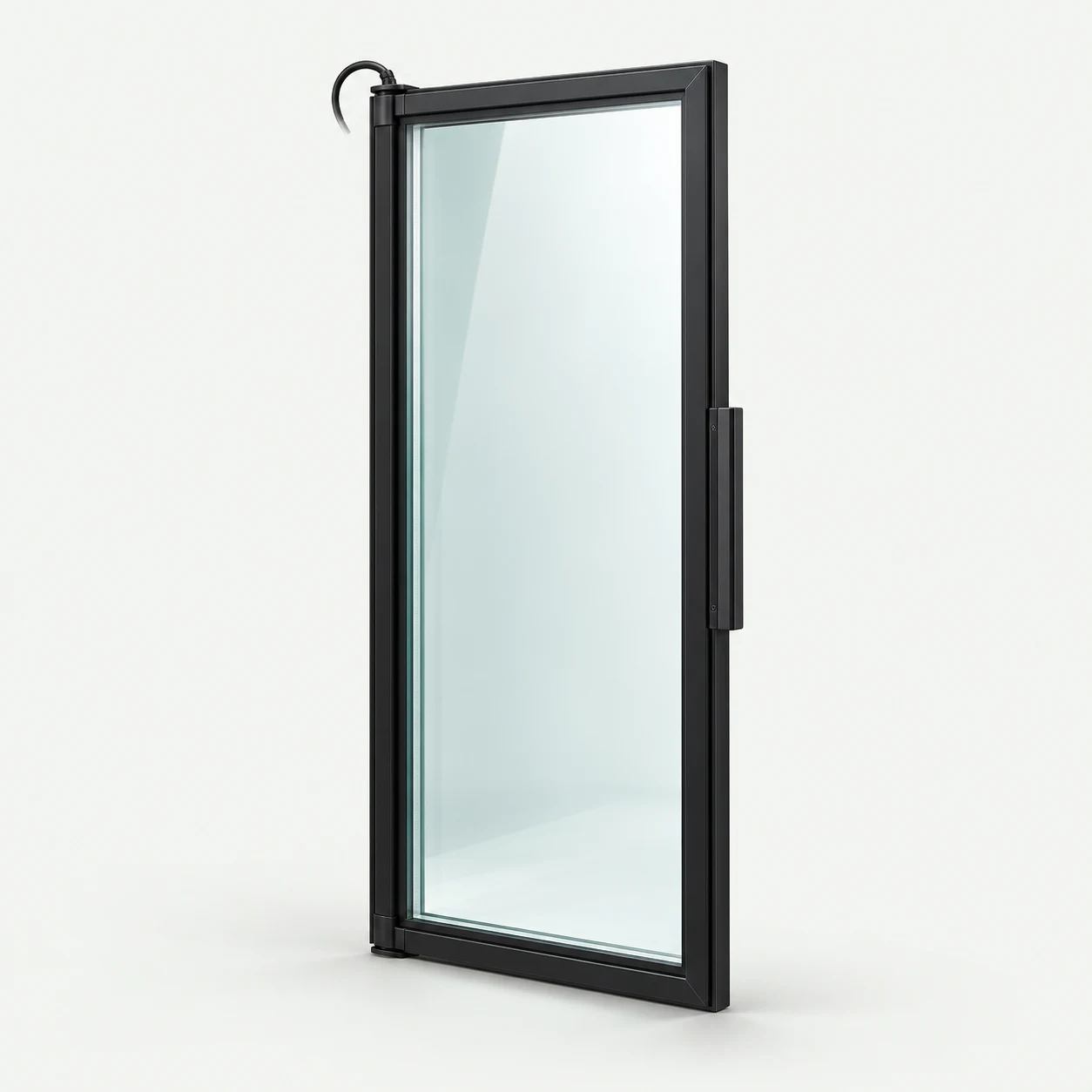
Start with the supply scope
Glazing for integration into your own frame. Confirm its layers, edge seal, dimensions and any electrical connections.
Discuss this scope →Door and specified hardware. Agree the frame, gasket, hinges, handle, closer and wiring in the supply list.
Discuss this scope →Cabinet selection and refrigeration requirements alongside the branding. A separate fit review applies to door upgrades.
Discuss this scope →These are requested supply scopes. Availability, included parts, sample cost, MOQ and timing are confirmed in the quotation.
Compare the construction
An electrically heated glass option assessed for the viewing surface and the proposed operating conditions.
Confirm before ordering: Glass build, heated area, voltage, power, connection, control and the conditions under which the sample must be checked.
A heating arrangement for the door or surrounding frame, assessed separately from glass-surface heating.
Confirm before ordering: Which frame sections are heated, cable path, interfaces, electrical protection, control and service access. Heated glass does not automatically include a heated frame.
A coating and insulated-glass construction option. Low-E is not itself an electrical heating system.
Confirm before ordering: Glass layers, coating position, spacer, sealing and whether heating is also required. A material label alone does not establish condensation performance.
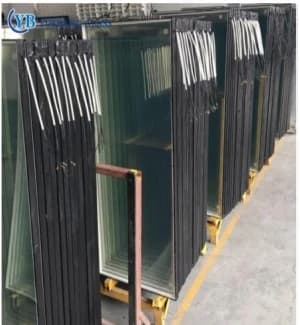
Details that shape the quote
Tell us whether this is a display freezer, reach-in cabinet or another application. Provide the requested cabinet temperature and expected room temperature if known.
Describe ambient humidity, where condensation appears, door-opening frequency and any washdown or exposure conditions. Photos help identify the location; they do not replace testing.
Send the door/opening dimensions, available supply, controller arrangement and destination market. Voltage, power, leads and protective measures need a project-specific review.
Drawing → Sample → Agreed configuration
Use the agreed drawing, sample and supply list as the basis for the order. Model-specific documents and test conditions are reviewed for the destination market.
Buyer questions
No universal anti-condensation guarantee is made. Temperature, humidity, air movement, opening frequency, seals and the selected heating system affect the result. Agree a representative sample test.
Not automatically. Low-E glazing and electrical heating are different design choices. Assess the complete door and operating conditions before deciding whether either or both are needed.
The electrical package is confirmed for the selected door, dimensions and application. We do not publish one voltage or wattage as suitable for every assembly.
Request an IGU-only scope and describe the host frame and electrical interfaces. Confirm the connection, sealing, mounting and required fittings before ordering; component supply does not establish final-cabinet performance.
No. They describe different treatments or design choices. A coating intended to manage visible fog is not itself an electrical heater, and a Low-E label does not define a heating circuit. Identify the selected coating and its surface, the insulating-glass build, and any glass or frame heater separately. Their suitability must be reviewed for the complete door and operating conditions.
ITO heating glass is a product-family option in the catalogue, not a complete electrical specification. Provide panel and host dimensions, the requested glass build, cable exit and connector details, operating conditions and destination market. Voltage, wattage, driver or controller, protection and the approved wiring remain project-specific; do not infer them from the panel name.
Record the exact location first: room-side surface, cabinet-side surface, frame or inside the sealed glass unit. Include photographs and the cabinet and ambient conditions. These observations lead to different checks of the glazing, seal, installation and heating arrangement. Increasing heater power is not a substitute for identifying the location and reviewing the assembly.
Agree cabinet temperature, room temperature, relative humidity, door-opening pattern, test duration and the surfaces to inspect. Record the actual glazing, frame and electrical configuration with the result. A clear photograph without those conditions does not demonstrate an anti-condensation operating envelope or establish performance for every installation.
They serve different parts of the system. A door or frame anti-sweat heater addresses condensation at the specified door surfaces. A refrigeration defrost heater is associated with removing frost from the evaporator or its related drain arrangement. Identify the component and host model before requesting a replacement; a heated-door enquiry does not establish supply or compatibility of an evaporator defrost part.
Share the supply scope, dimensions, requested glass and frame build, electrical requirements, quantity and destination. The proposal should separate the door or glass unit, controls and fittings, sample or one-time charges, packing and transport. MOQ, price and physical-sample timing are project-specific and must be stated in the quotation; the free cooler artwork service is a separate deliverable.
Existing catalogue references
These references organize the discussion. Supplier catalogue examples do not establish a one-to-one match to an existing MARKOOL reference.
MK-PT-GD-HT-MB
Review configuration →Include this reference in RFQ →MK-PT-GD-HT-MF
Review configuration →Include this reference in RFQ →MK-PT-GD-HT-FR
Review configuration →Include this reference in RFQ →MK-PT-GD-HT-CF
Review configuration →Include this reference in RFQ →One brief. A defined next step.
Send your market, quantity and intended use. Drawings, photos and operating conditions can follow. We identify the information needed for fit, configuration and quotation.
Start this request ↗Glass doors & components
Buying a component rather than a whole cooler? For equipment makers, parts distributors and beverage brands, compare insulated glass units, door assemblies and logo treatments before defining your supply list.
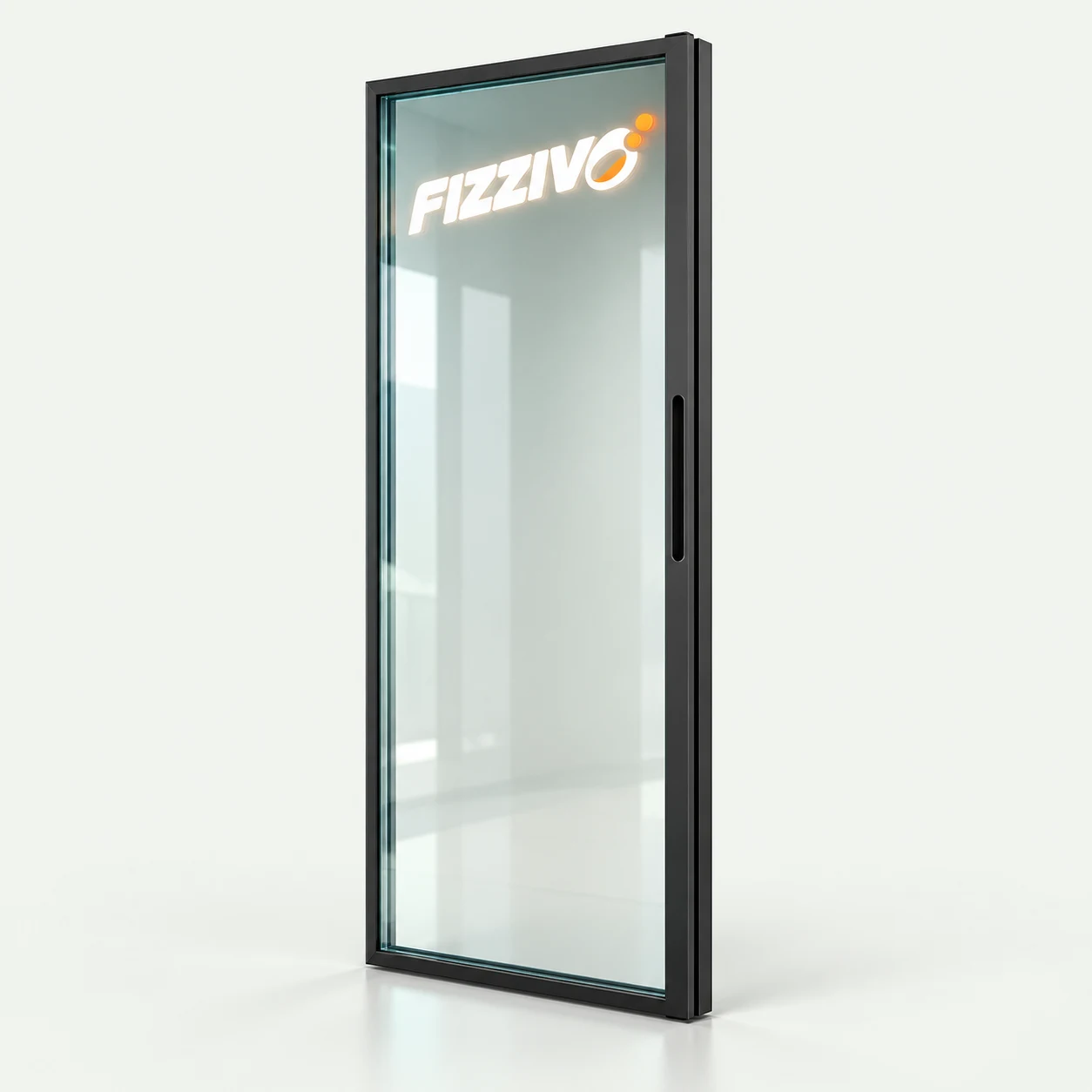
Compare logo methods, viewing area and lighting for a branded door.
Explore the solution →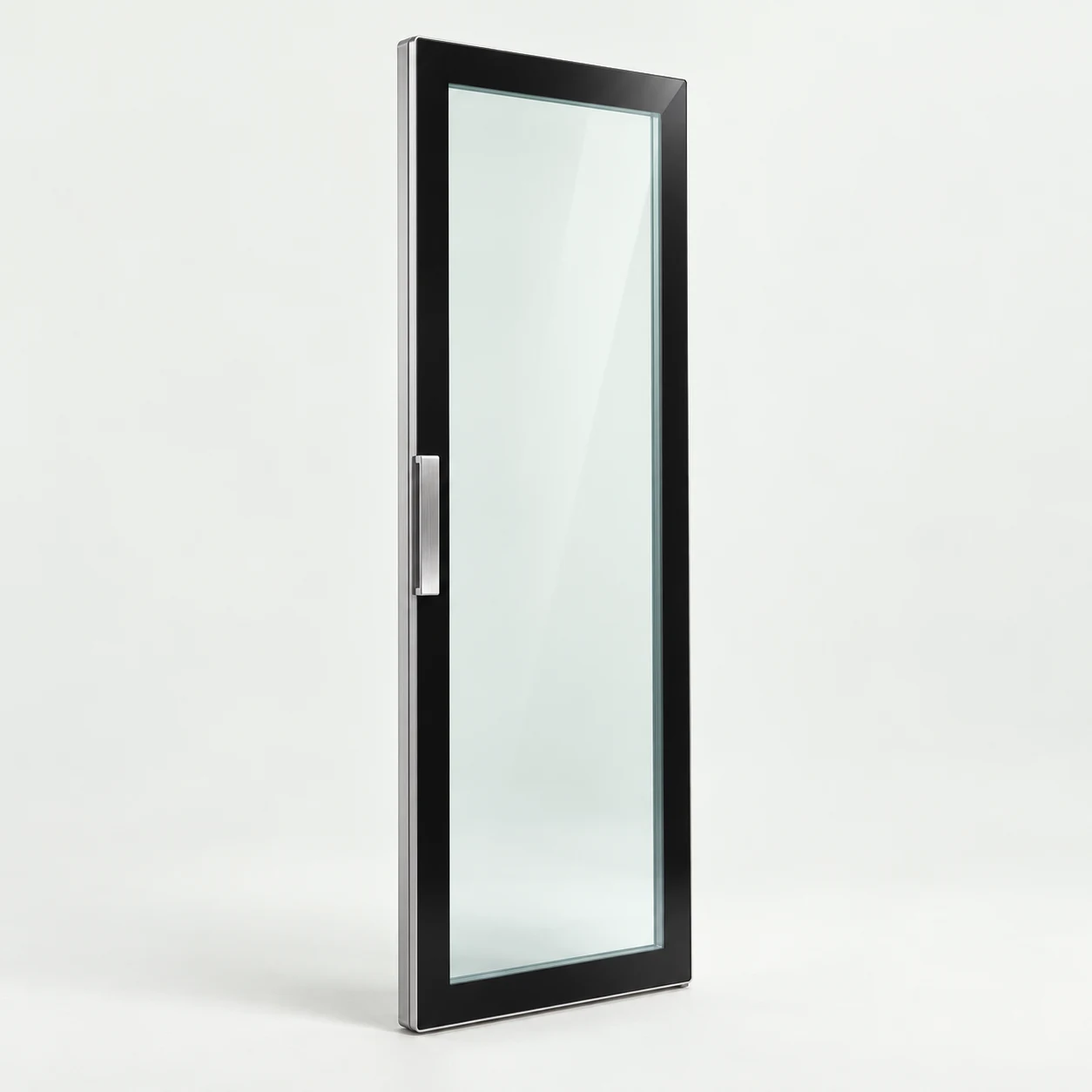
Define the opening, hardware and supply list for OEM or replacement projects.
Explore the solution →Product images are design illustrations. Fit and supplied configuration are reviewed for each project.