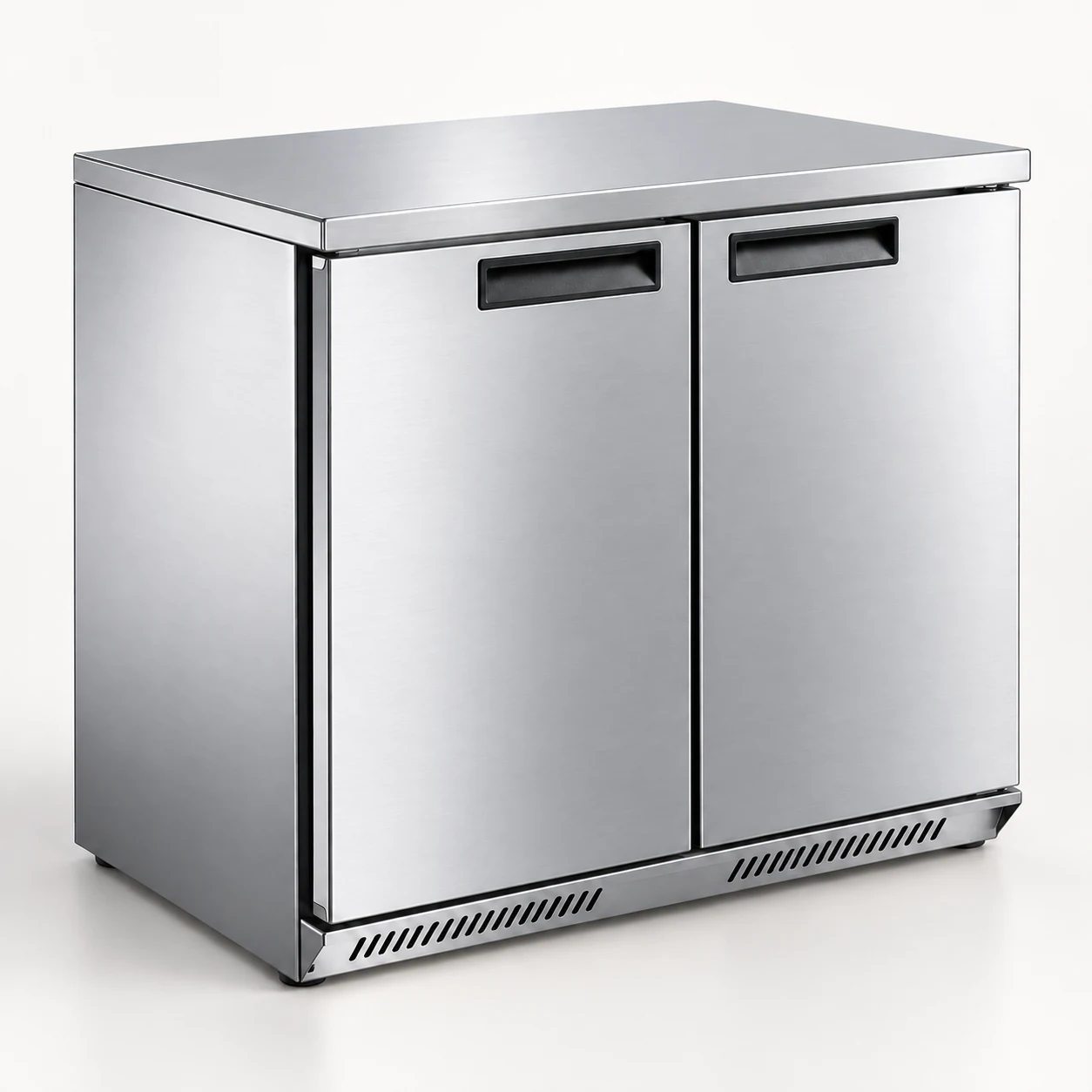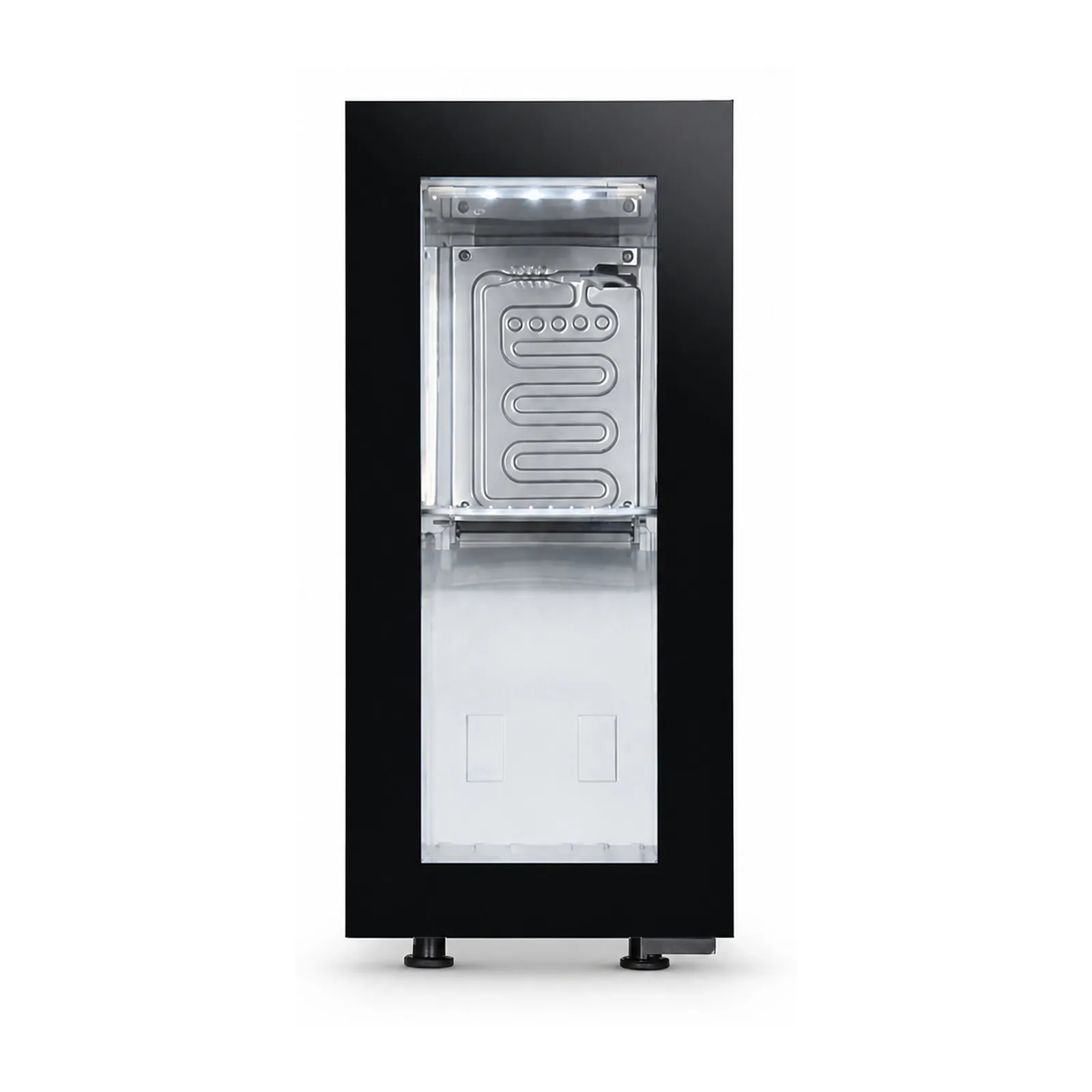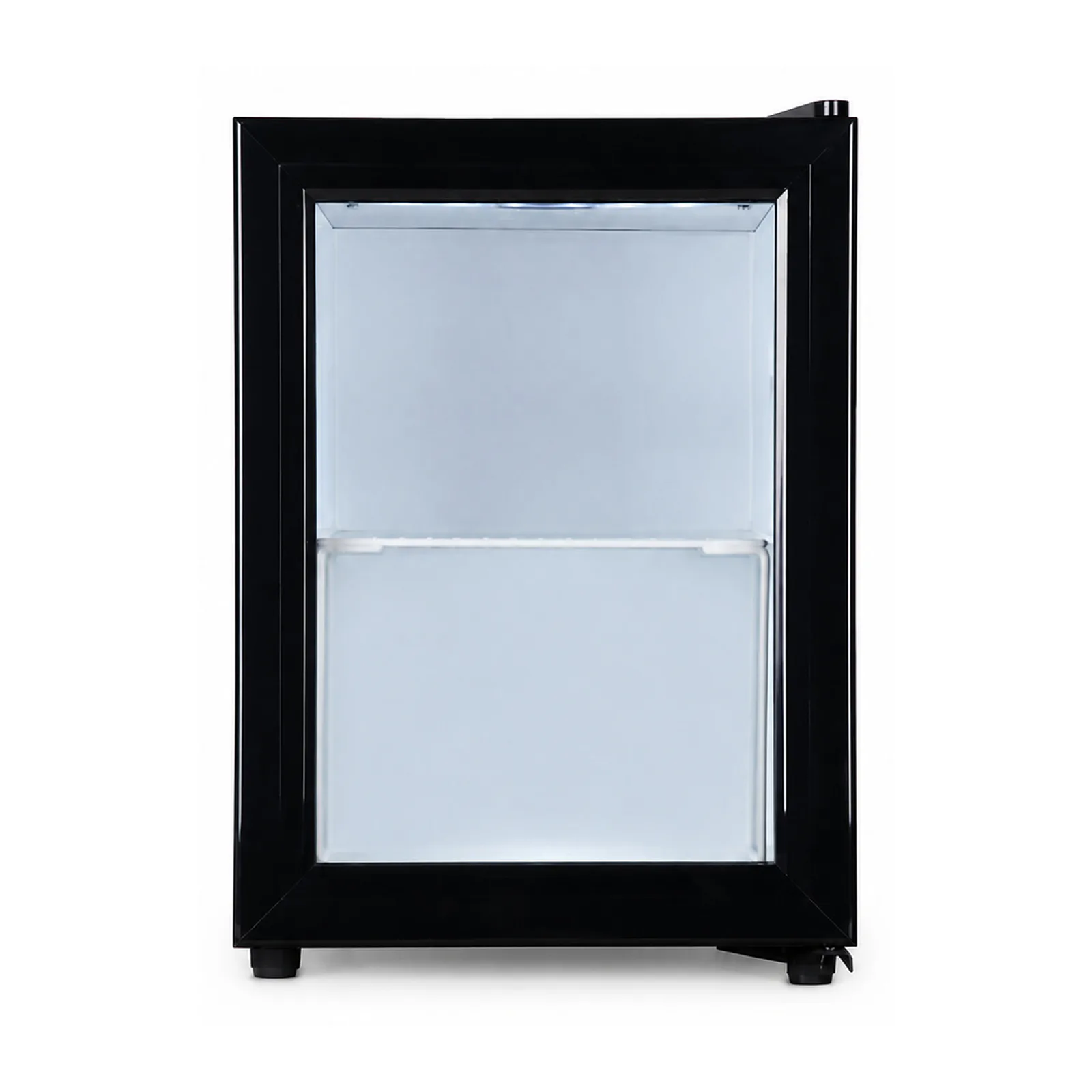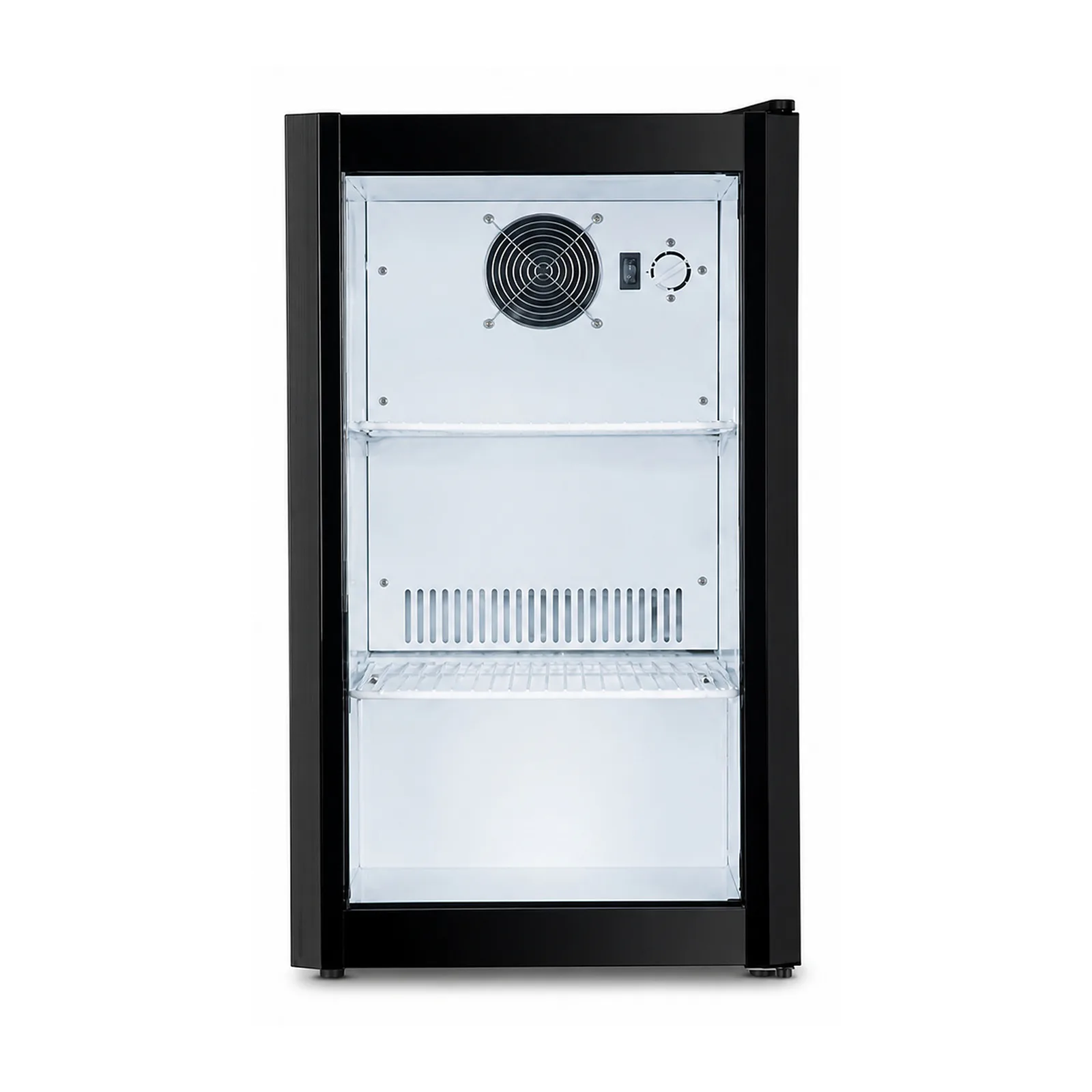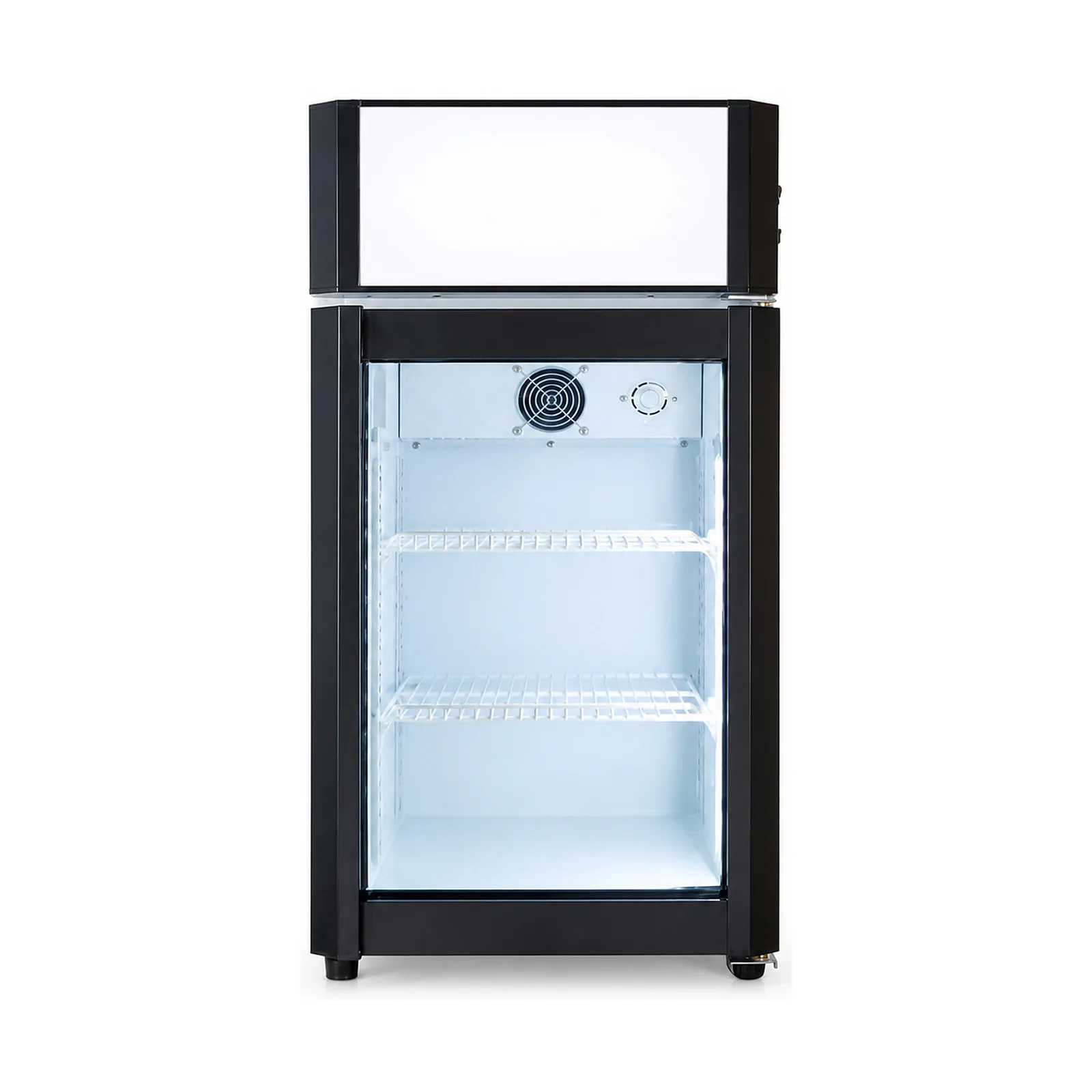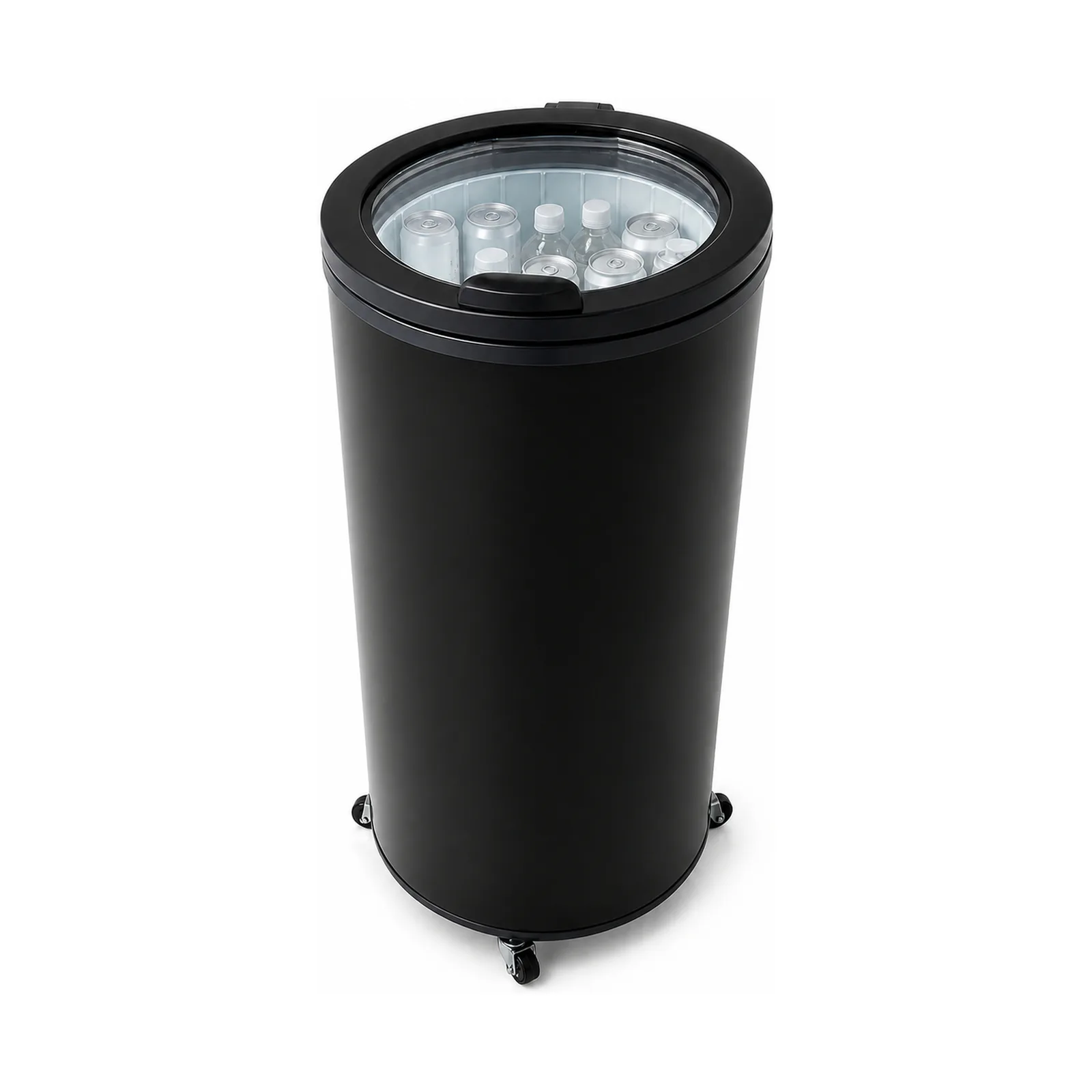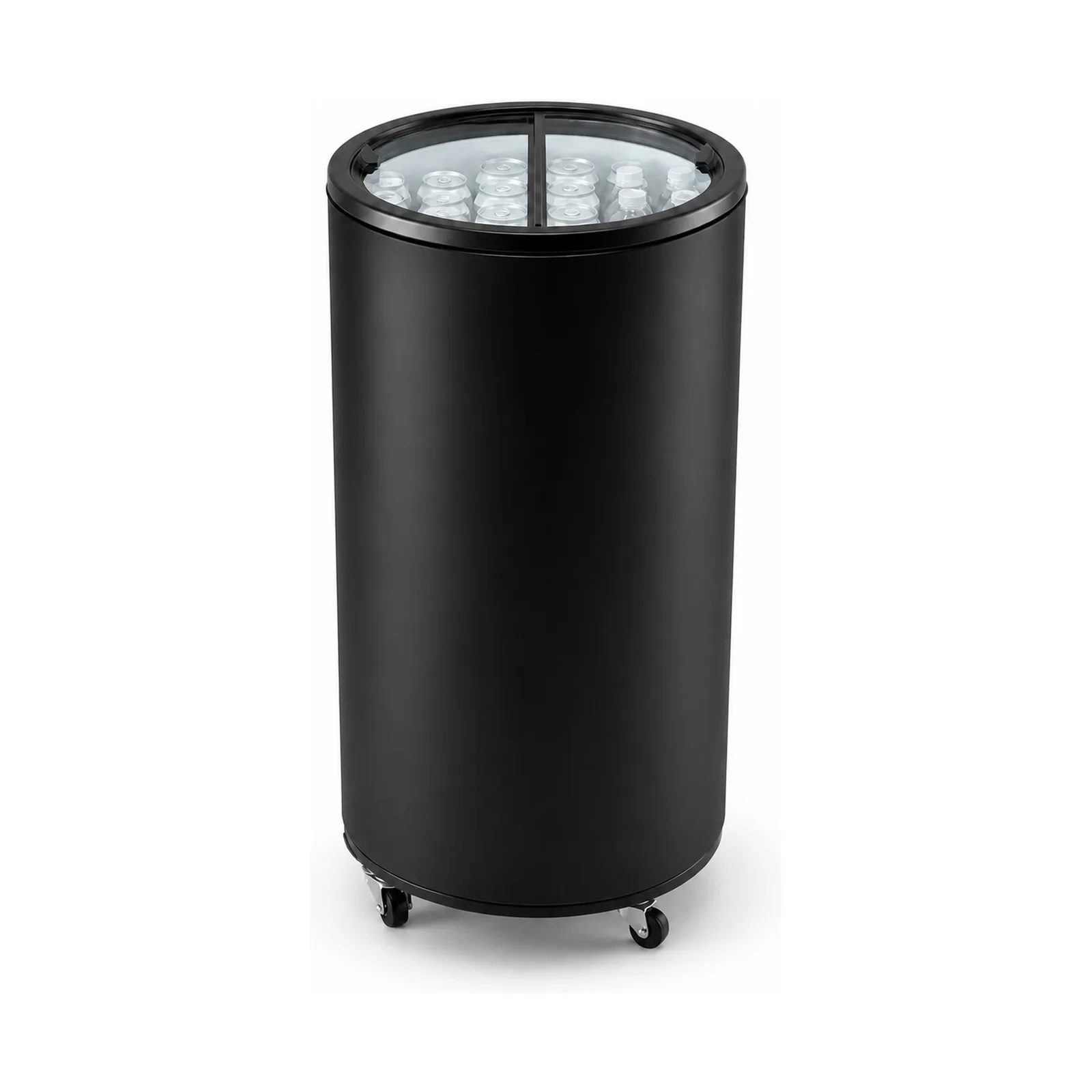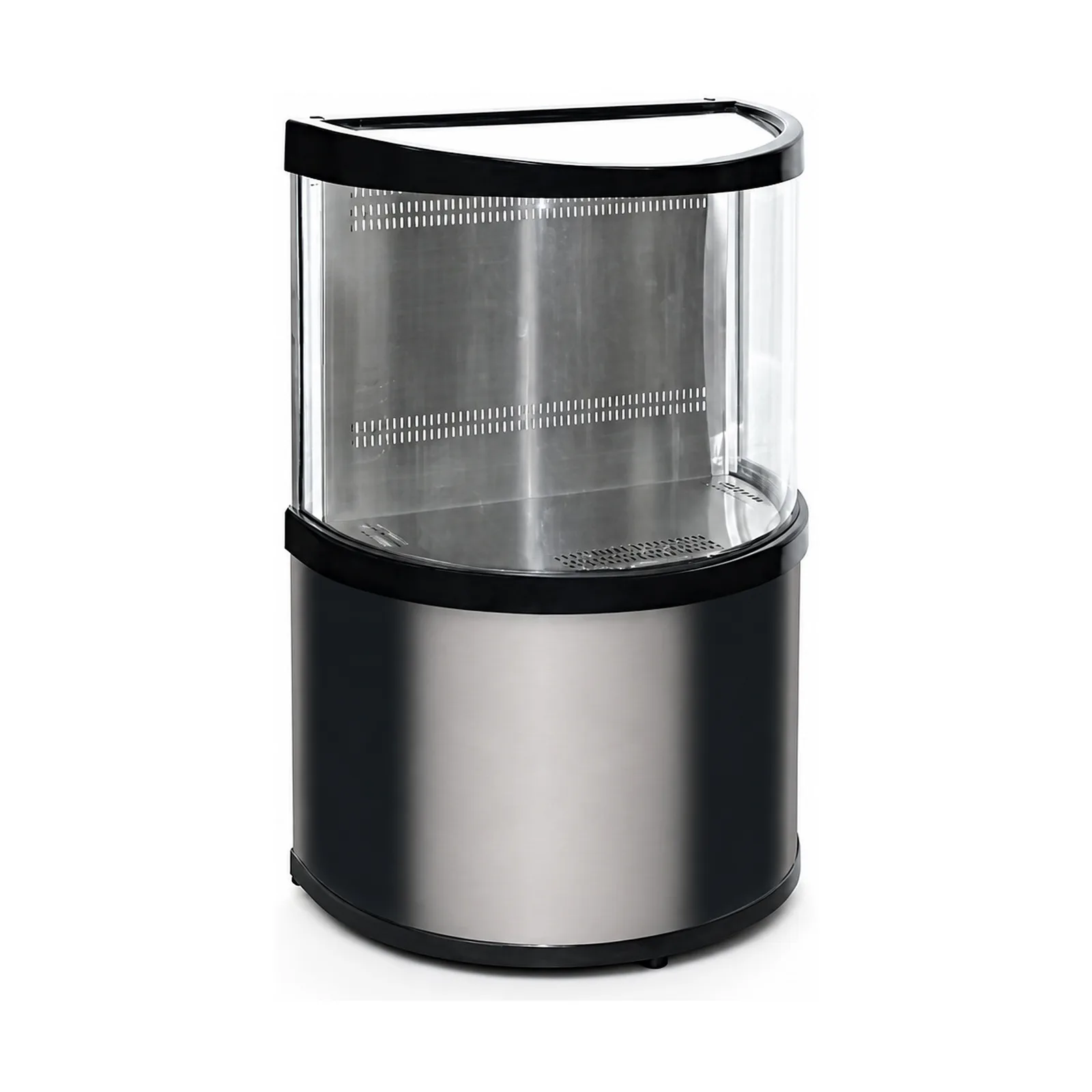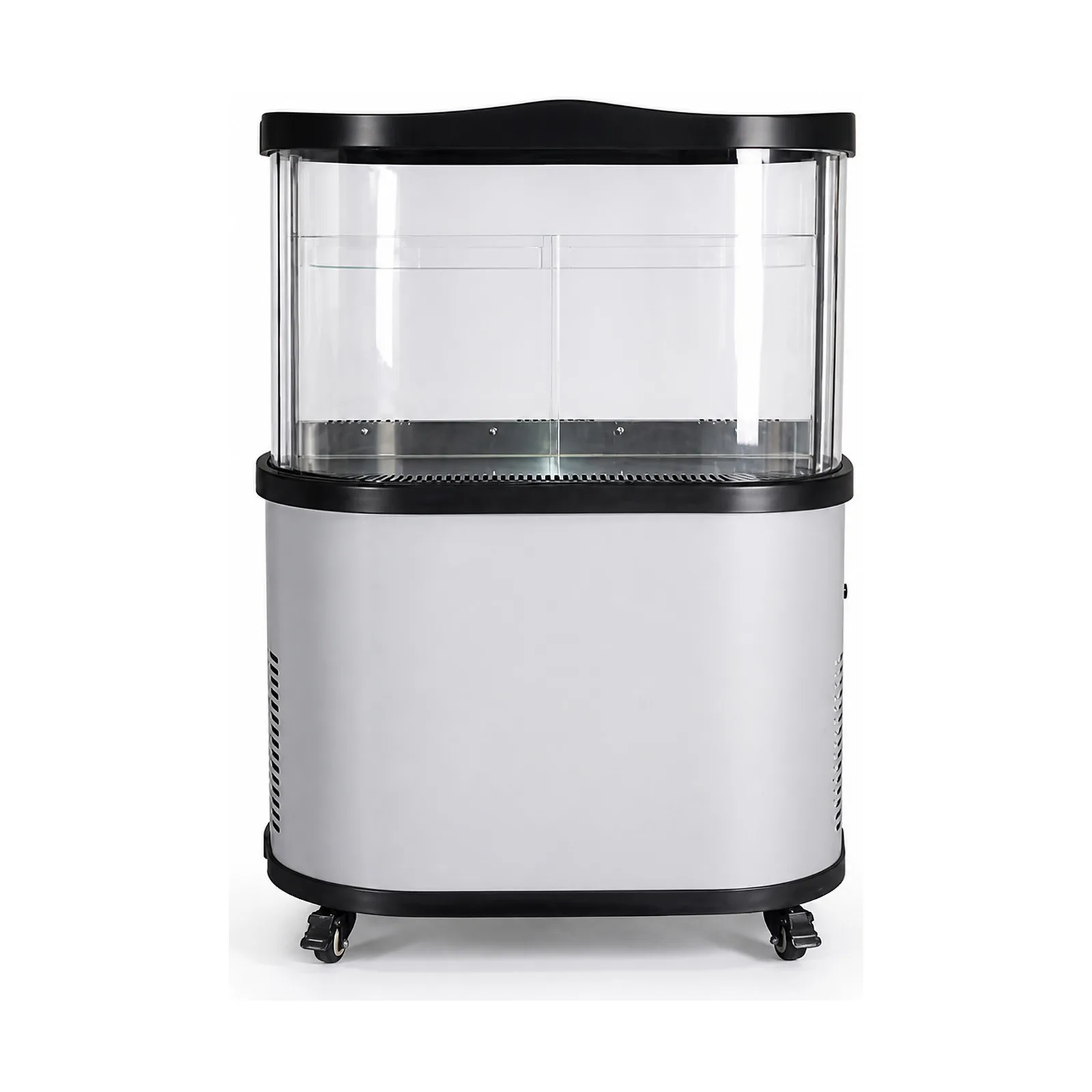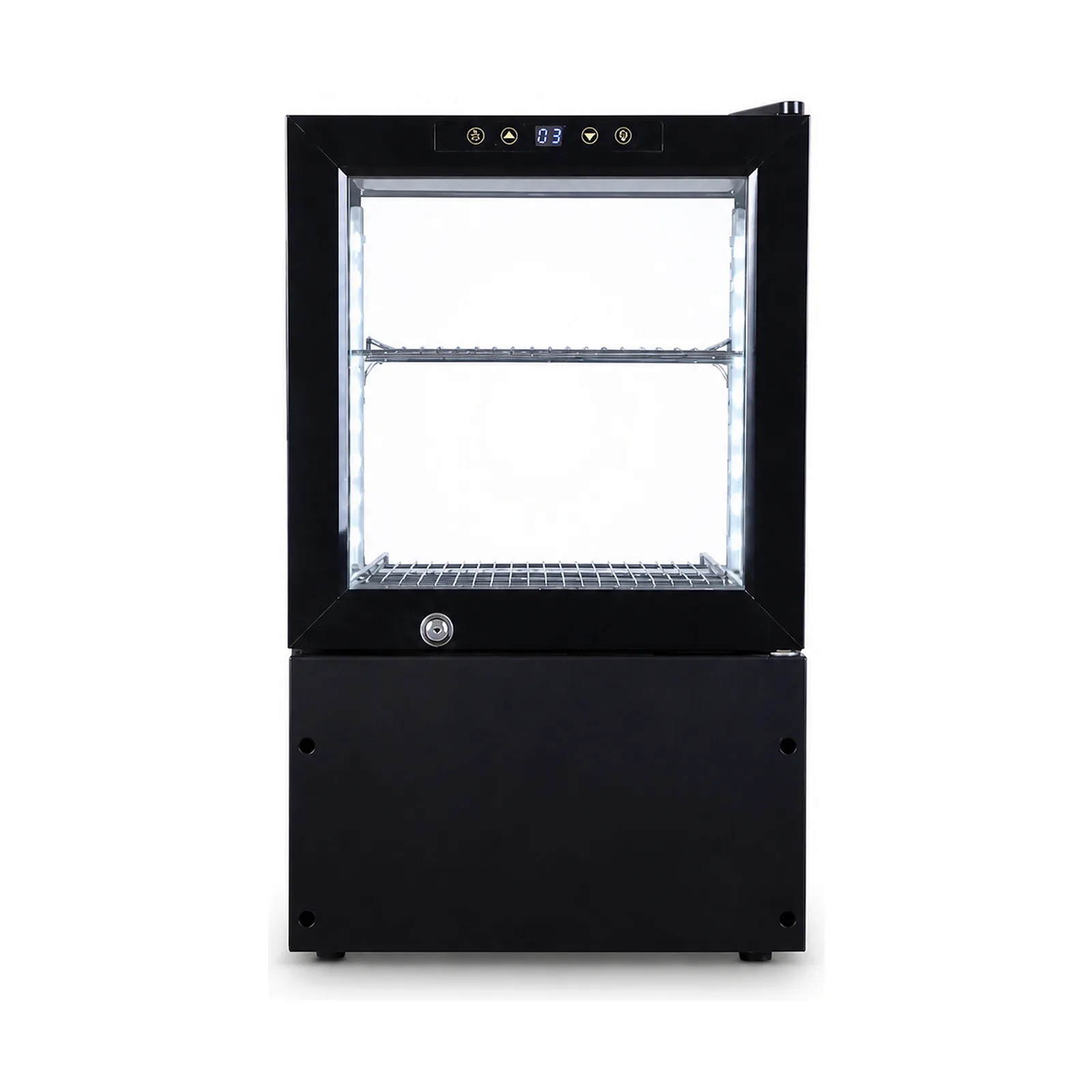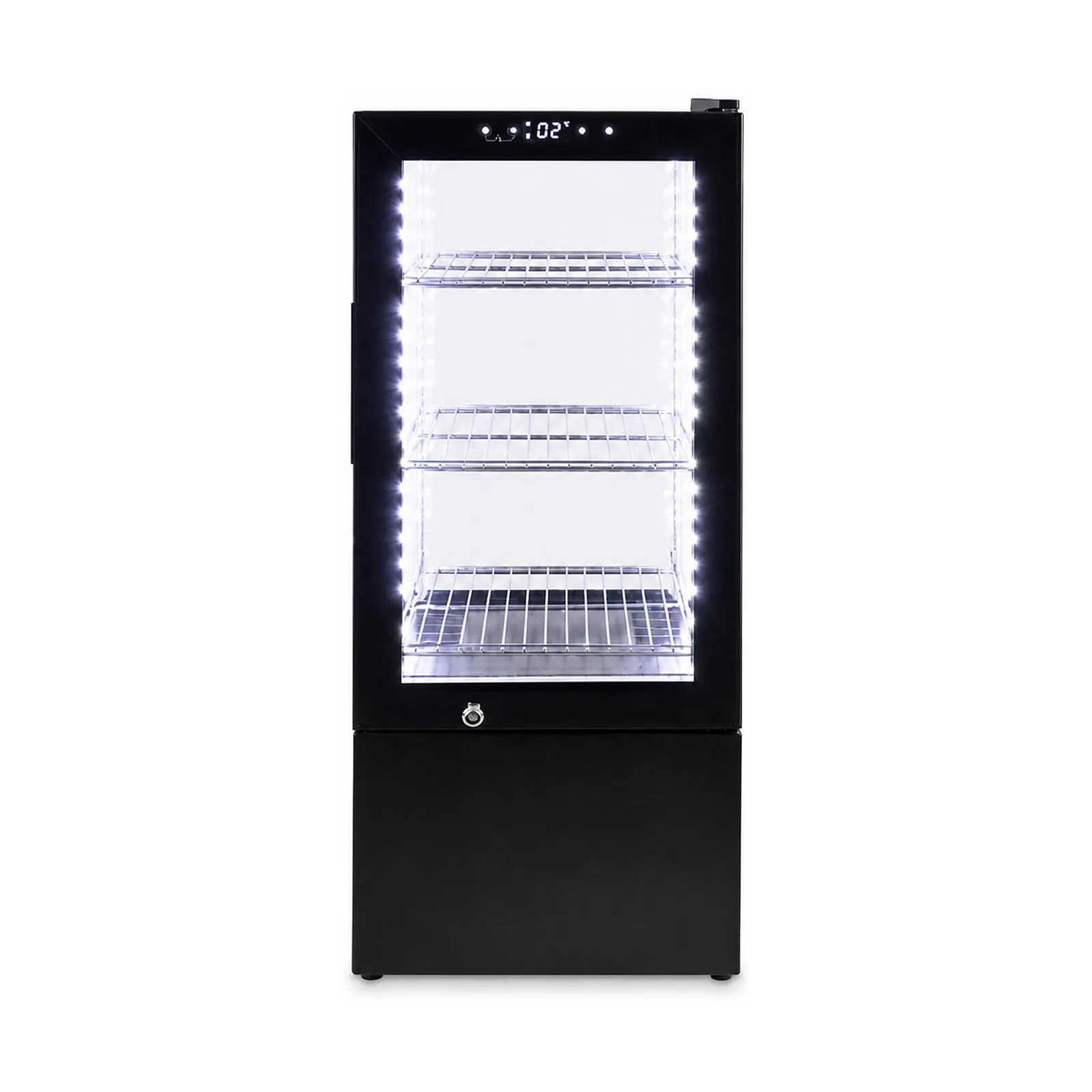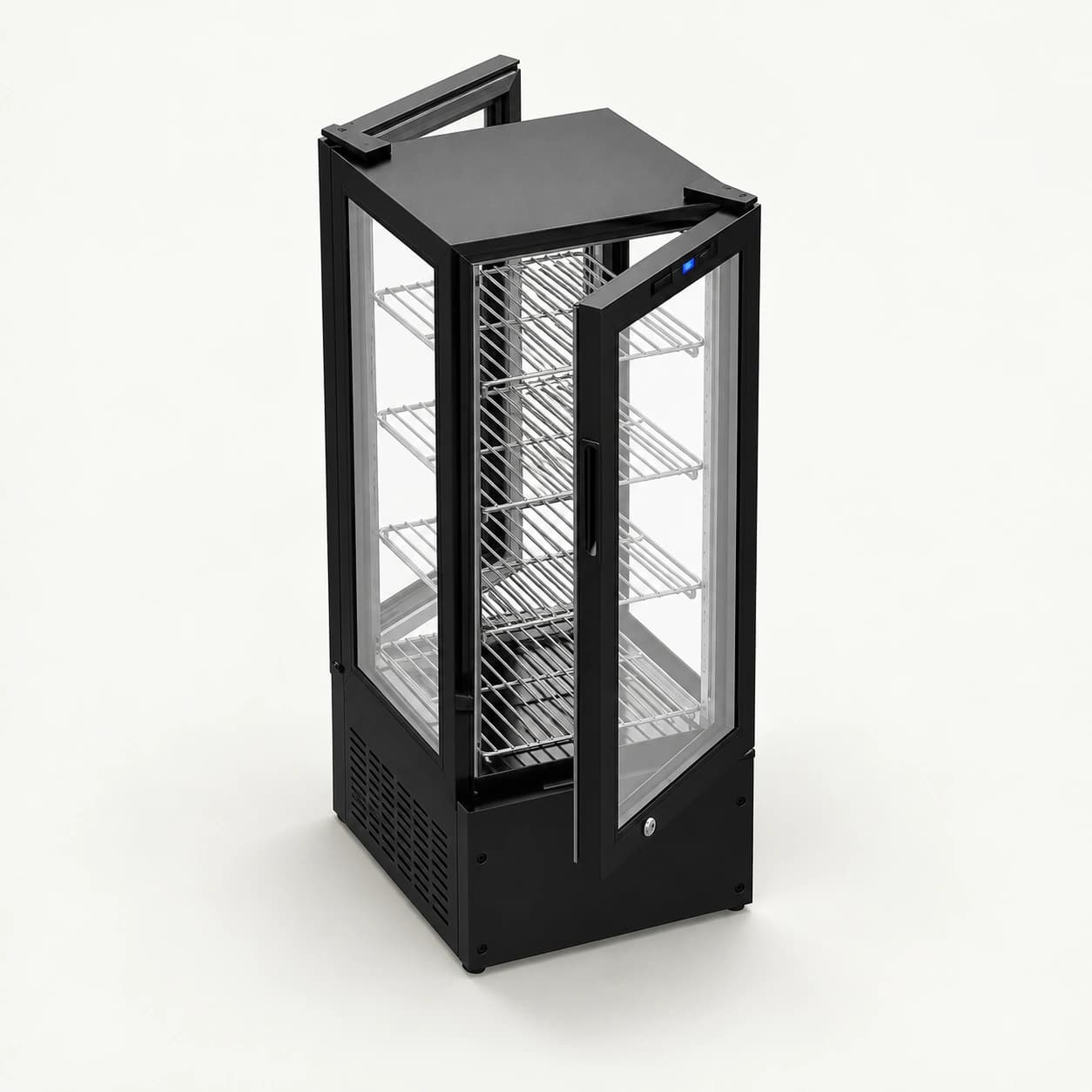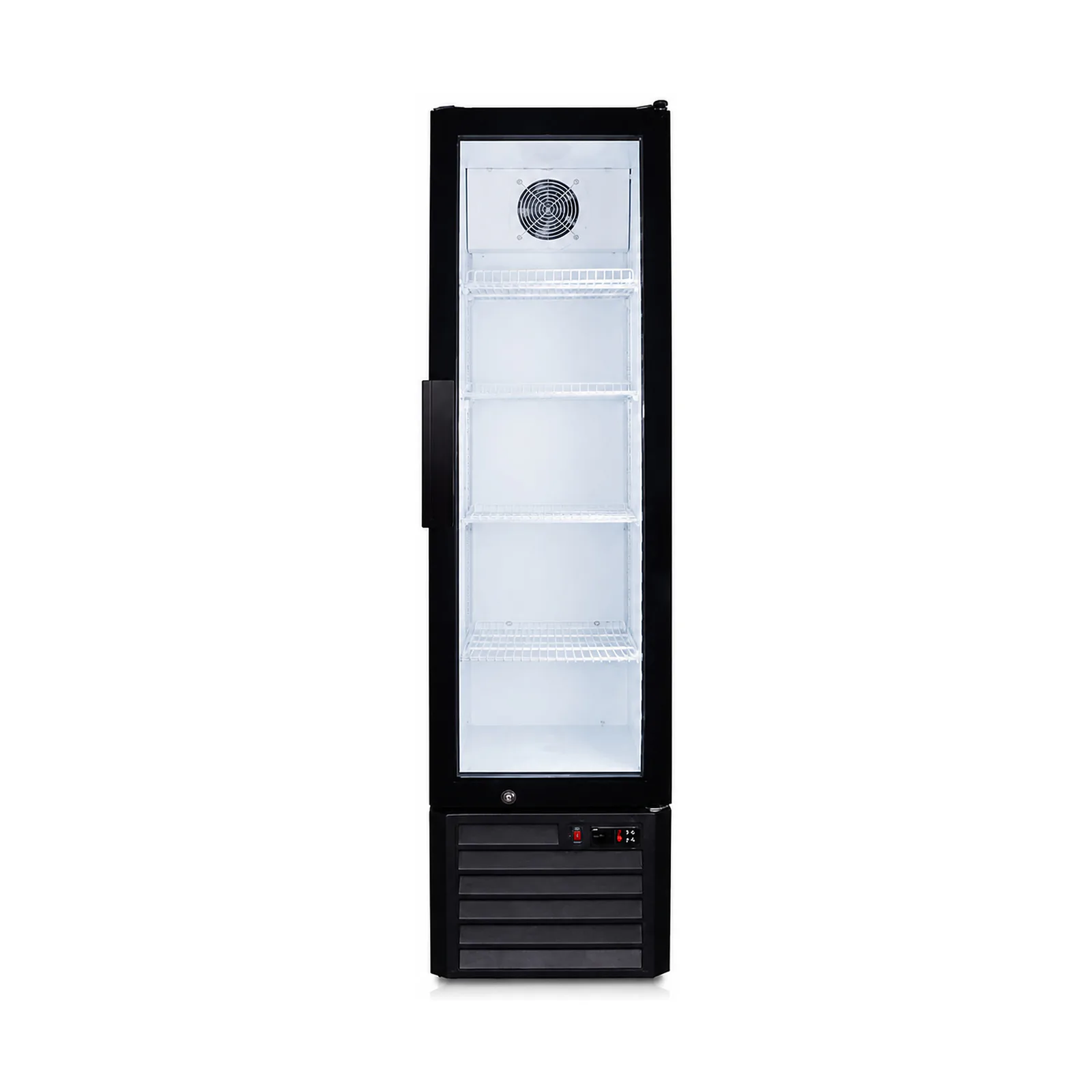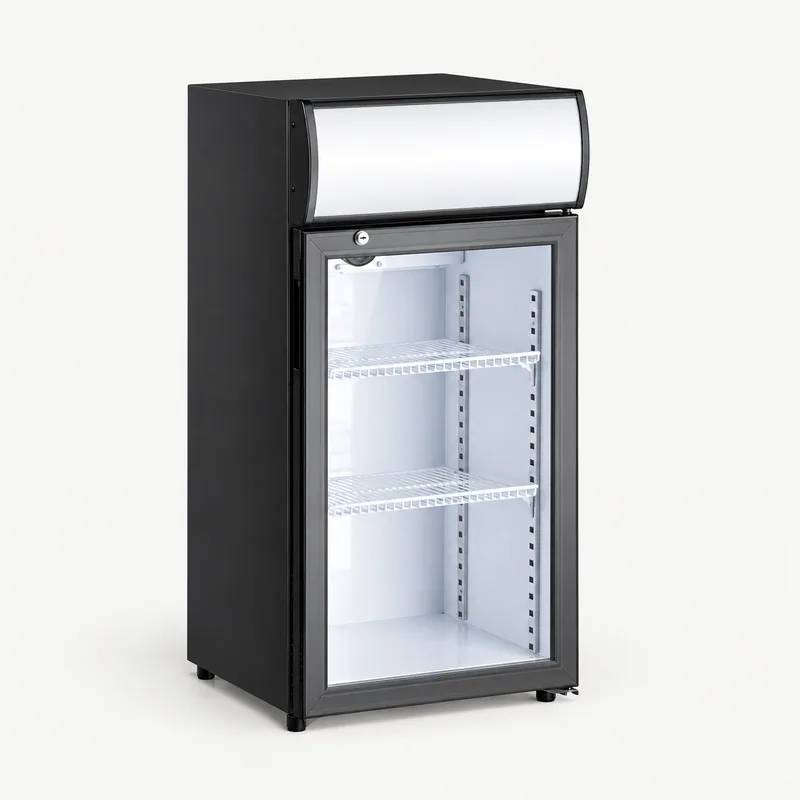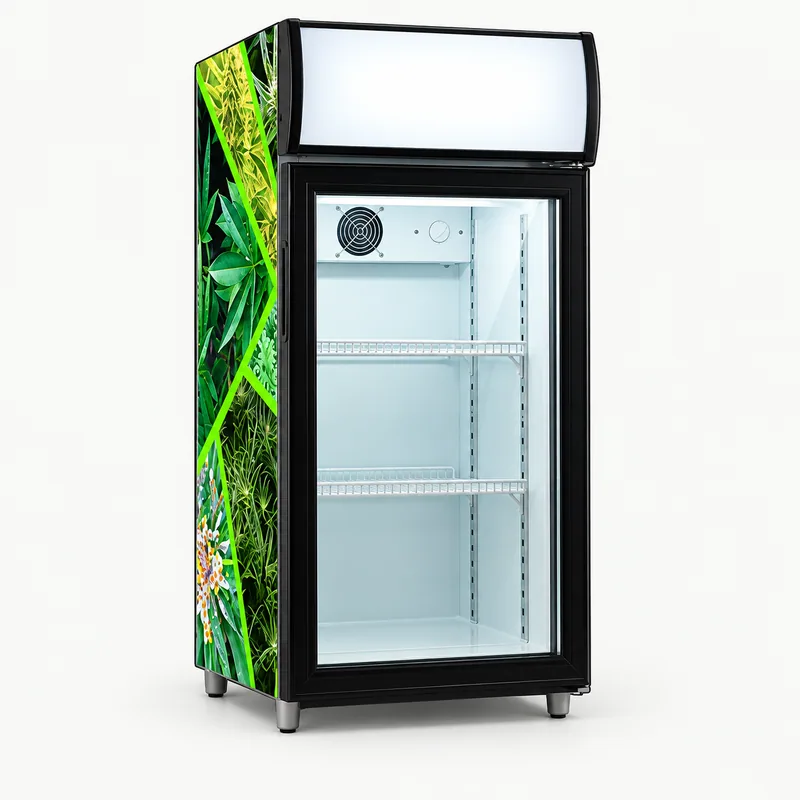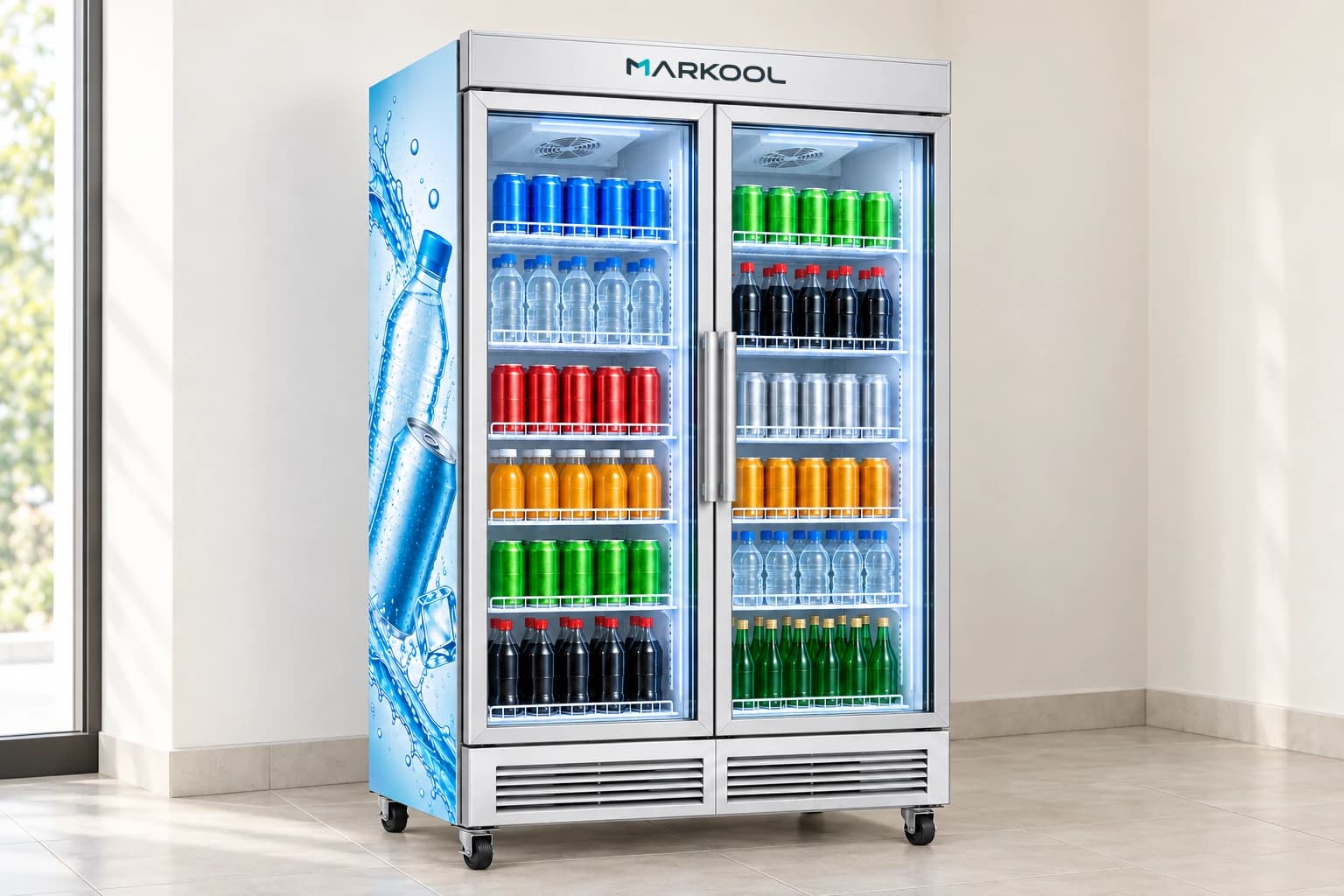
Glass door mini fridge
A compact, visible drinks cabinet for a limited counter or service footprint.
Compare the packaged drink size, usable shelf layout, door clearance and ventilation for the selected commercial model.
B2B sourcing category
Commercial beverage coolers, food display cases and kitchen refrigerators in countertop, upright and other formats. Confirm the model configuration and destination requirements before ordering.
Who this category serves
Beverage brands, distributors, retailers and hospitality operators comparing display refrigeration for a defined placement.

Build a useful RFQ
Share what you already know. A sample, an estimated quantity or an early-stage brief can start the discussion.
Request a recommendation ↗Buyer questions
Start with the actual bottle or can dimensions, the number of visible facings and the available counter or service space. Then check door clearance, ventilation, electrical supply and the operating condition of the specific cabinet before selecting a model.
Start with placement and the number of products shoppers should see. A countertop cabinet serves a smaller point of sale; an upright cabinet supports a larger front-facing assortment. Share pack dimensions before selecting a model.
Compare the clearance needed for hinged doors with the access pattern of sliding doors. The final choice also depends on the cabinet width, service side and your staff workflow.
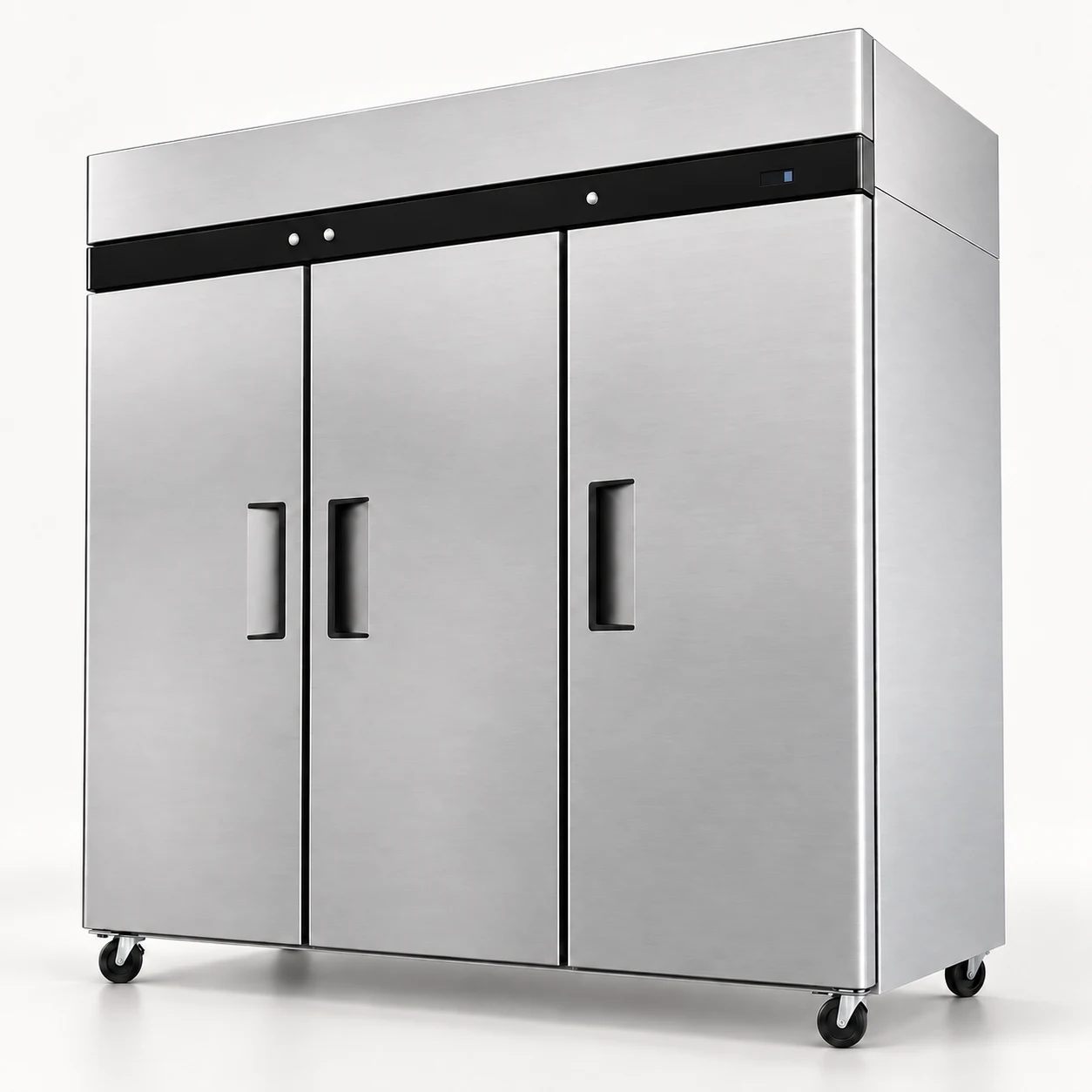
A solid-door reach-in is chosen around kitchen storage and staff access. A glass-door merchandiser is chosen around visible products and customer-facing access. Temperature, loading and electrical requirements still need to be checked for the exact cabinet.
Installation clearance depends on the selected configuration and its ventilation design. Send your proposed layout so we can check the model drawing before quoting.
Yes. A destination market, approximate quantity, intended products and available space are enough to start a commercial recommendation. Exact artwork and technical details can follow.
Product selection
Explore the main product families and their configuration options. Final specifications are confirmed for your project.

Narrow countertop placements where cabinet width and a small beverage assortment matter more than a large display.

Countertop beverage displays that need a clear product view and a compact cabinet footprint.

Counter placements that need a taller beverage display than a low mini fridge.

Branded beverage campaigns that need a compact cooler and a prominent header in one configuration.

Promotional floor placements where a cylindrical cooler and top-view product access suit the campaign.

Compact promotional placements that benefit from a round footprint and flip-top access.

Impulse beverage placements where shoppers need direct top access to the assortment.

Retail island placements that need an elongated top-view beverage display.

Counter displays viewed from more than one direction, with merchandise visible through the cabinet sides.

Counter displays needing a taller four-sided product presentation than the smaller format.

For a pass-through refrigerator enquiry, send a counter plan showing the staff side, customer side and available access space.
Compare models →
Floor-level checkout placements where a narrow, mid-height display suits the available sightline.
Countertop beverage display
Plan a countertop beverage cooler for checkout areas, service counters and brand activations. Match the cabinet to your drinks, your available space and your campaign before moving to samples or a batch order.

Choose around the placement
Define the buying task before comparing cabinet specifications.
Measure the available width, depth and height. Include door travel, customer reach, counter load and the ventilation clearance specified for the selected model.
Share pack dimensions, the number of product lines and your preferred facing. A model-specific shelf layout is more useful than a capacity estimate from a photograph.
Describe the placement, expected ambient conditions and service access. Confirm the required storage temperature against the beverage and cabinet specification.
State the country, electrical supply, plug requirements and documents needed for purchasing or import. Configuration and document availability are reviewed per model.

From cabinet to campaign
A countertop display cooler can support the product message as well as the chilled display. Review the available surfaces with the chosen cabinet before finalising the artwork.
Sample to rollout
Share counter dimensions, drink packaging, destination and volume.
Align the model proposal, configuration and graphic surfaces.
Agree what the sample needs to demonstrate and record the decisions.
Confirm the approved specification, artwork, order terms and packing plan.
Start with the counter dimensions and the bottles or cans you need to display. Then review shelf spacing, door access, ventilation, temperature requirements and destination-market configuration before selecting a cabinet.
Include your preferred graphic surfaces in the brief. The available print areas, materials and lighting depend on the selected cabinet. Use its current artwork template before preparing production files.
Pack-out depends on the exact package dimensions, shelf positions and the clear internal space. Send your bottle or can drawing so the layout can be checked. Photographs and nominal litres alone do not establish a loading count.
A sample can be scoped for fit, function, artwork and destination-market review. Confirm the cabinet, sample quantity and evaluation requirements with the quotation. The commercial terms page explains the standard ordering framework.
The cabinet platform, electrical version, artwork, components, packing and order quantity affect the offer. Confirm model-specific terms and the start of the lead-time clock in the quotation and approved order documents.
Start with the essentials
Include the destination, counter space, bottle or can dimensions, planned quantity and artwork status.
Request this category
Include destination, quantity, product or component dimensions and the project requirement.